In Querétaro, many companies have identified variations in the input voltage of their electrical supply: undervoltage that affects equipment performance, overvoltage that triggers protection circuits, and constant fluctuations that silently wear down infrastructure.
Although the differences seem minor in the readings, their effects on daily operation and equipment lifespan can be significant.
Types of voltage variation
Not all electrical variations are the same. Identifying the type affecting an installation is the first step to determining the right technical solution.
Undervoltage
Occurs when the supply delivers a voltage below the circuit's nominal value. On a 220V line, readings of 218V to 219V already represent a deviation that can affect sensitive equipment, reduce efficiency and shorten lifespan.
Overvoltage
A condition in which voltage continuously or intermittently exceeds the nominal value. Unlike a transient spike, sustained overvoltage exposes electronic components to voltage outside their design specification. Air conditioning systems, for example, may trip their internal protections and stop to prevent damage.
Constant fluctuations
Frequent variations in input voltage that swing between low and high ranges. They create instability in computers, servers and climate control systems, and make it difficult to maintain stable operating conditions.
Real impact on business operations
Voltage variations don't always produce an immediate, visible failure; they act silently on electrical and technological infrastructure. Over time, the consequences show up in different ways:
- Damage to computer equipment: power supplies, memory and motherboards degrade prematurely when operating out of specification.
- Server failures: servers are high-precision equipment. A sustained variation can corrupt data, damage disks and cause system crashes.
- Unexpected restarts: power supplies trip thermal or overvoltage protections, causing unplanned restarts that interrupt critical processes.
- Loss of operational continuity: every restart or crash means unproductive time, loss of unsaved data and recovery costs.
- Air conditioning stoppages: climate systems — especially VRF and high-capacity — are sensitive to variations in their condensers and compressors. Under overvoltage, their internal protections stop them.
Which companies are most vulnerable?
The risk isn't limited to industrial plants. In Querétaro and the Bajío, the most frequent scenarios include:
- Corporate offices with dozens of computers, printers and local servers.
- Clinics and laboratories where medical equipment, dental lab furnaces and electronic record systems require stable voltage.
- Companies with critical infrastructure: data centers, server rooms or backup systems that can't afford interruptions.
- High electrical load installations: high-capacity climate systems, servers or specialized diagnostic equipment.
Case study: voltage regulation in a dental laboratory
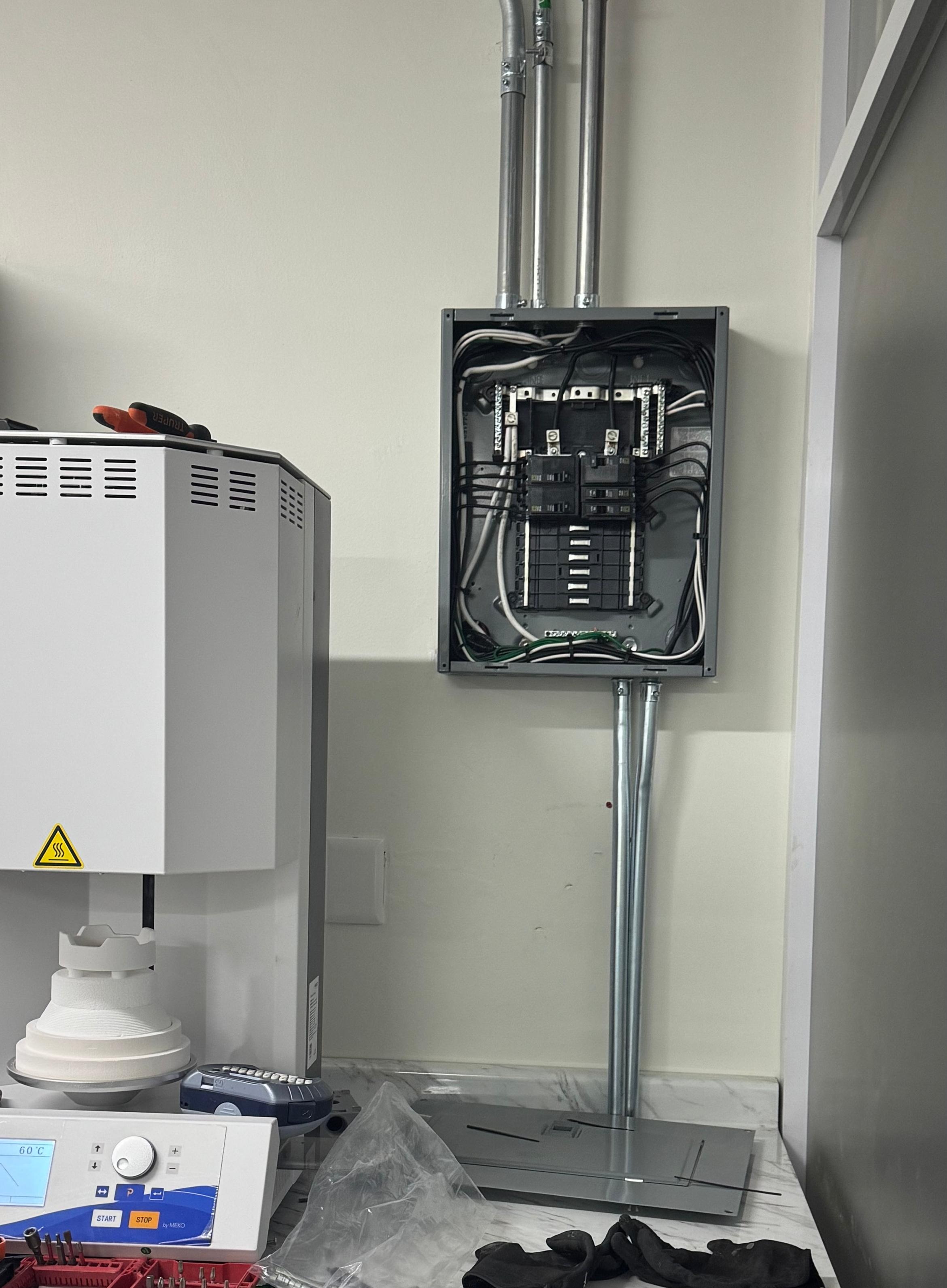
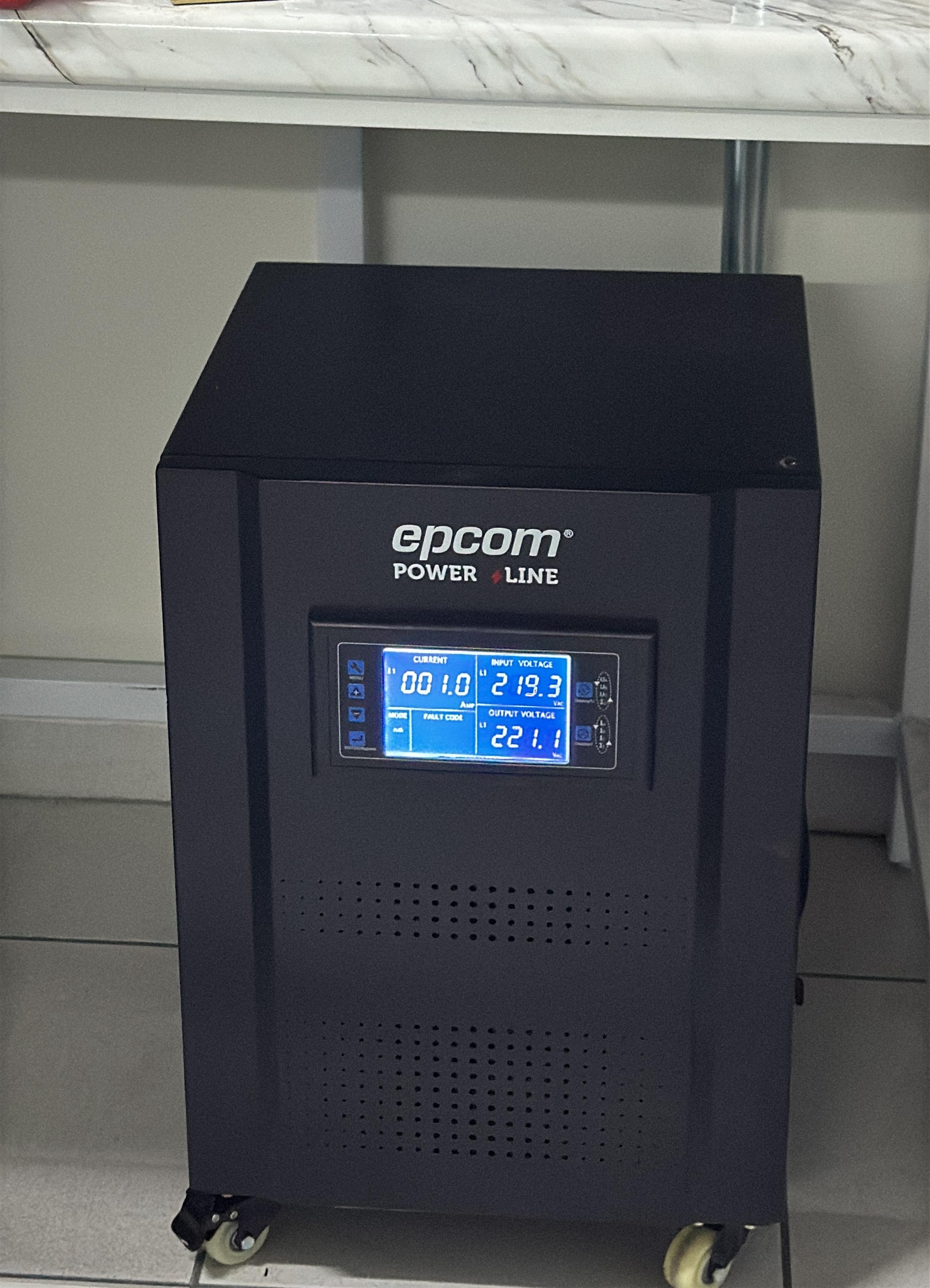
In a dental laboratory in Querétaro, a variation in input voltage was identified, with readings of approximately 218V to 219V on a nominal 220V line. Through voltage regulation, the output was stabilized to around 221.1V to 222V, helping protect sensitive equipment such as dental lab furnaces and associated electrical systems.
Professional solution
The technical response to voltage variations is installing industrial voltage regulators correctly sized for the installation's real load. An industrial regulator is not a simple household stabilizer: it's equipment designed to correct variations continuously and without interrupting the supply.
Correct sizing is key. An undersized regulator doesn't protect; an oversized one is an unnecessary expense. That's why, before installing any electrical protection equipment, we recommend an assessment of the installation to measure real voltage levels, identify critical circuits and determine the right solution.
Benefits of stabilizing voltage
- Electrical stability across the entire installation.
- Protection of computers and servers.
- Fewer air conditioning failures.
- Operational continuity without unexpected interruptions.
- Lower risk of unplanned stoppages and data loss.
- Longer lifespan for electrical and technological infrastructure.
Conclusion
Voltage variations — undervoltage, overvoltage or constant fluctuations — are a problem that costs dearly once damage is done. Investing in proper electrical protection is not an expense: it's a decision about operational continuity. Detecting and correcting input-voltage variations before they affect critical infrastructure is always cheaper than recovering from a failure.